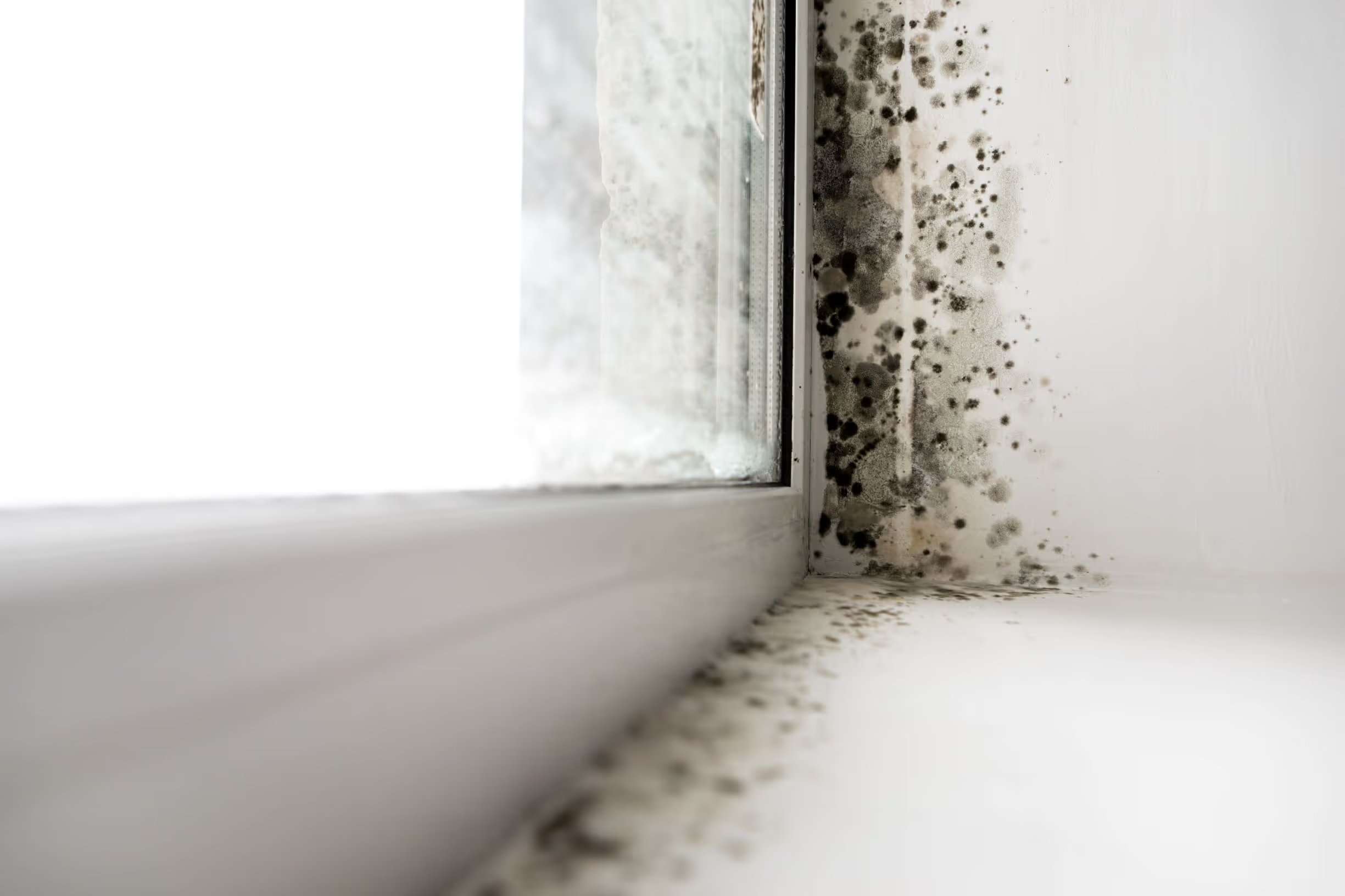
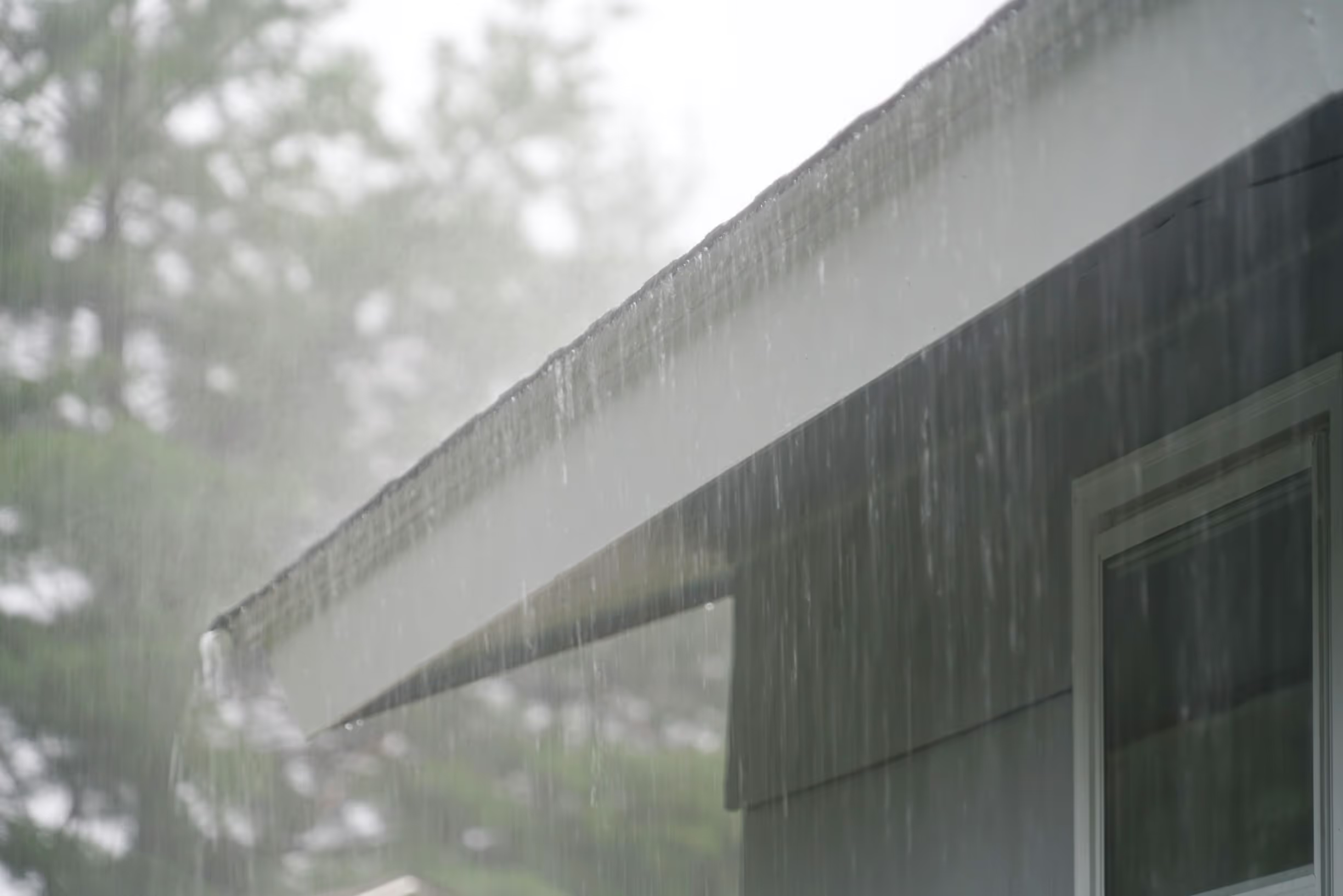
Crawl Space Moisture and Mold in East Tennessee Homes
August 4, 2026
Crawl space mold in Knoxville homes rots joists and taints indoor air. See the warning signs, removal and encapsulation costs, and how to stop it.
August 27, 2026
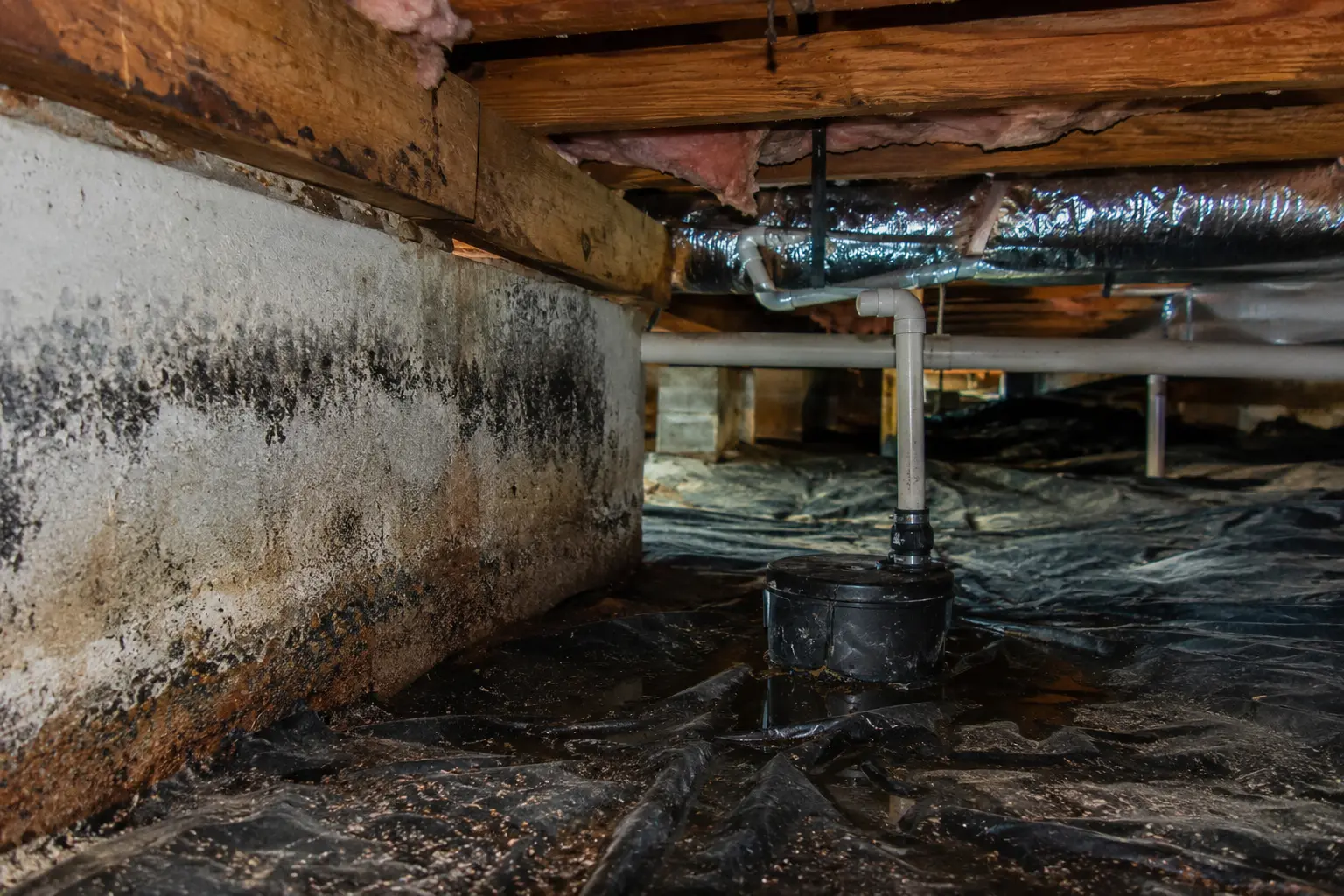
You rarely go into your crawl space, so you rarely see what grows there. Under many East Tennessee homes sits a dark, humid pocket over bare soil. That mix of moisture and wood is exactly what mold needs to spread. Because the space is out of sight, the problem often grows for months. This guide explains why crawl space mold in Knoxville homes starts, what it costs, and how to fix it.
Mold needs only moisture, a food source, and time. A traditional crawl space offers all three. The dirt floor releases ground moisture into the air all year. Wooden joists, subfloor, and insulation give the mold plenty to feed on.
Our regional climate makes it worse. Knoxville summers are warm and sticky, with high dew points for months. Warm, damp air drifts through crawl space vents and meets cooler surfaces underneath. That contact forms condensation on joists, ducts, and pipes. Add a plumbing drip or poor yard drainage, and growth takes off fast.
Older homes around Knox County often have vented crawl spaces built decades ago. Those vents were meant to dry the space, but in a humid climate they invite moist air in. The result is a damp zone that stays wet long after the rain stops.
You do not need to crawl under the house to spot trouble. Your living space usually signals a problem first.
These clues appear because of the stack effect. Air moves upward through a home, so crawl space air flows into your living rooms. Roughly half of the air on your main floor started below it. That is why hidden crawl space mold does not stay hidden for long.
Some homeowners shrug off crawl space mold as an out-of-sight nuisance. The damage it causes is very real. It threatens both your home's structure and your family's health.
Structurally, mold digests wood. Over time it weakens floor joists, girders, and subfloor. Left alone, that decay leads to sagging floors and costly framing repairs. Damp, moldy wood also draws termites and other pests.
The health side matters just as much. The CDC notes that a 2004 Institute of Medicine review linked indoor mold exposure to coughing, wheezing, and upper-respiratory symptoms. People with asthma or weakened immune systems can react more severely. Because crawl space air rises indoors, those spores reach the rooms where your family sleeps.
Cost is the first question most homeowners ask. The answer depends on how far the mold has spread. It also depends on what moisture fixes your crawl space needs.
Professional mold remediation in a crawl space generally runs $1,500 to $4,000 for an average home. Severe or widespread growth can push a full project toward $8,000 or more. Remediation alone treats the mold you have today.
To keep it from returning, many East Tennessee homeowners add encapsulation. Sealing a 1,500-square-foot crawl space typically costs $4,500 to $15,000, averaging near $7,500. The price shifts with vapor barrier thickness, crawl space condition, and add-ons like a dehumidifier or sump pump.
Killing surface mold is not the same as solving the problem. A lasting fix follows a clear order. First find the water, then remove the mold, then stop the moisture for good.
A crew starts by locating every moisture source, from ground vapor to a leaking supply line. Our Water Damage Restoration in Knoxville team traces and stops those sources first. Next, they clean or remove mold-damaged materials using proper containment. Finally, they address humidity so spores cannot regrow.
Many homeowners reach for bleach, but it is a poor choice on framing. Bleach struggles to penetrate porous wood, so it leaves roots behind. It can also add moisture and even harm the material. Professionals use commercial antimicrobial or peroxide-based products made for wood. For serious growth, a certified mold removal team handles it safely.
Removal without moisture control simply resets the clock. Control the dampness, and mold loses its home. A few steps make the fix last.
Keep crawl space humidity low, ideally under the 50 to 60 percent range the EPA recommends for mold control. A vapor barrier over the soil blocks ground moisture from rising. A dedicated dehumidifier holds the air dry through humid Knoxville summers. Outside, clean gutters and slope soil away so water drains from the foundation. Rocky Top Restoration can inspect your crawl space and recommend the right combination.
Most crawl space mold removal runs $1,500 to $4,000 for an average home. Severe or widespread growth can reach $8,000 or more. A professional inspection gives you an accurate estimate.
Yes. Crawl space mold rots floor joists and weakens your home over time. Its spores also rise into your living areas and can trigger respiratory symptoms. Early action limits both the damage and the cost.
Commercial antimicrobial and peroxide-based products work best on wooden joists. Avoid bleach, which cannot penetrate porous wood and may cause harm. Killing the mold only lasts if you also control the moisture.
Encapsulating a 1,500-square-foot crawl space usually costs $4,500 to $15,000. The national average sits around $7,500. Vapor barrier thickness, crawl space condition, and add-ons like dehumidifiers drive the price.
A damp crawl space rarely fixes itself, and the mold spreads while you wait. The smart move is an expert inspection before rot and spores reach your living space. Our certified team finds the moisture, clears the mold, and seals the space so it stays dry. When a musty smell has you searching for Mold Removal Near Me, call Rocky Top Restoration. Our team is ready to protect your East Tennessee home.